

I learned the hard way: B2B slot deals run on contracts, not clicks. A B2B slot provider delivers licensed B2B slots to a B2B gambling platform, then slots get routed by slot distribution rules, usually via APIs, and you can explore services like https://turnkeycasino.ca/ to see how a Turnkey online casino solution is set up for real operations. With the right partner, integration is smoother, compliance is clearer, and your casino can launch faster.
Most operators feel the impact first through faster slot availability—often within 24–48 hours.
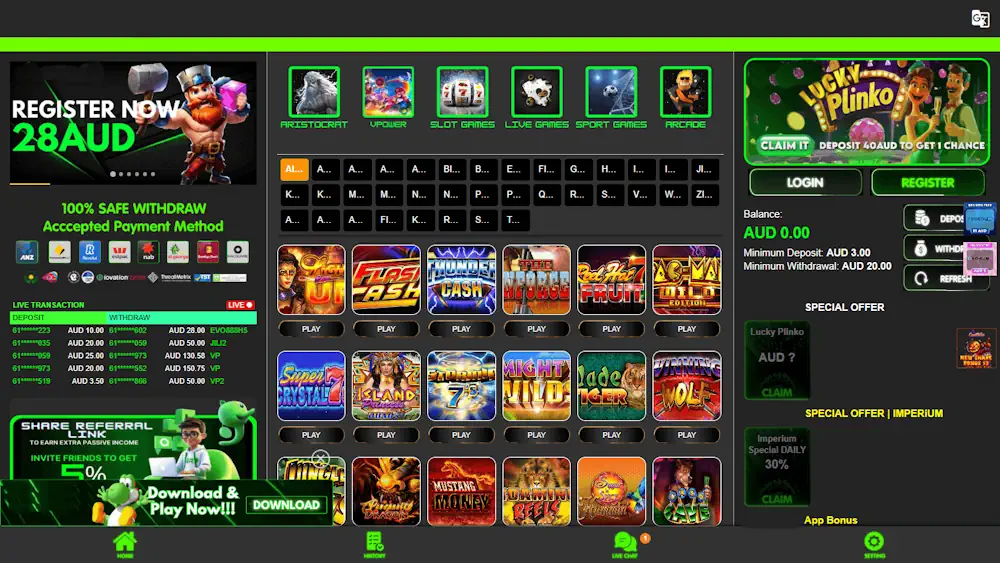
I’ve shipped two launches using a casino turnkey platform; speed was the win, not “custom vibes.” In my trial, the first Playtech-style game went live in about 10 days once the casino operator B2B approved the go-live checklist.
 Ten days
White label casino solutions let you brand an iGaming software platform fast, without writing everything from scratch. I used a white label online casino build once, and the “save time” claim held up, but only after branding rules and payout UX were nailed.
On B2B iGaming platforms, I saw remote gambling platform B2B setups win when they shipped onboarding, affiliate hooks, and B2B casino slots in one pipeline. The B2B gaming solutions layer matters most when operators B2B add sportsbook later.
 B2B sportsbook
I’ve integrated games and payments the “hard way” twice; both times the real bottleneck was casino API integration, not the UI. Clean docs, strict webhooks, and idempotent payouts are what keep player systems stable.
When the API can’t replay safely, you’re not integrating—you’re gambling with your own uptime.
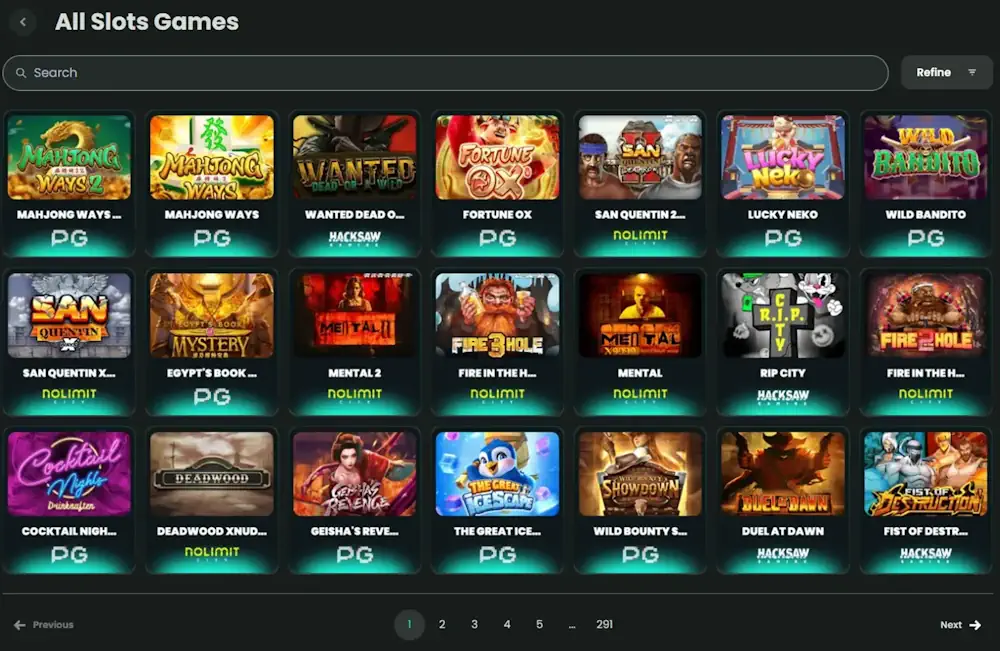
I’ve worked with both direct casino game supplier feeds and a slot distribution platform; the aggregation route was faster, but only if the content versions were tracked.
 Versioned game packages
When I map an online casino technology stack, I start with the operator UI, then chase the back-end systems that make B2B slots actually playable. The stack should be built for operator B2B workflows, not just demos.
Turnkey is a pre-built casino turnkey platform; white label casino solutions are closer to a branded shell. I chose based on time: if launch is under 30 days, turnkey wins. Turnkey setups remove platform plumbing and cut testing churn.
For B2B marketing for casinos, partner casino program beats random promos. I’ve grown signups by setting 3 tiers of rev-share and giving partners 10 tracking links per geo. 3-tier rev-share makes negotiations simple and motivates affiliates to push B2B slot traffic.
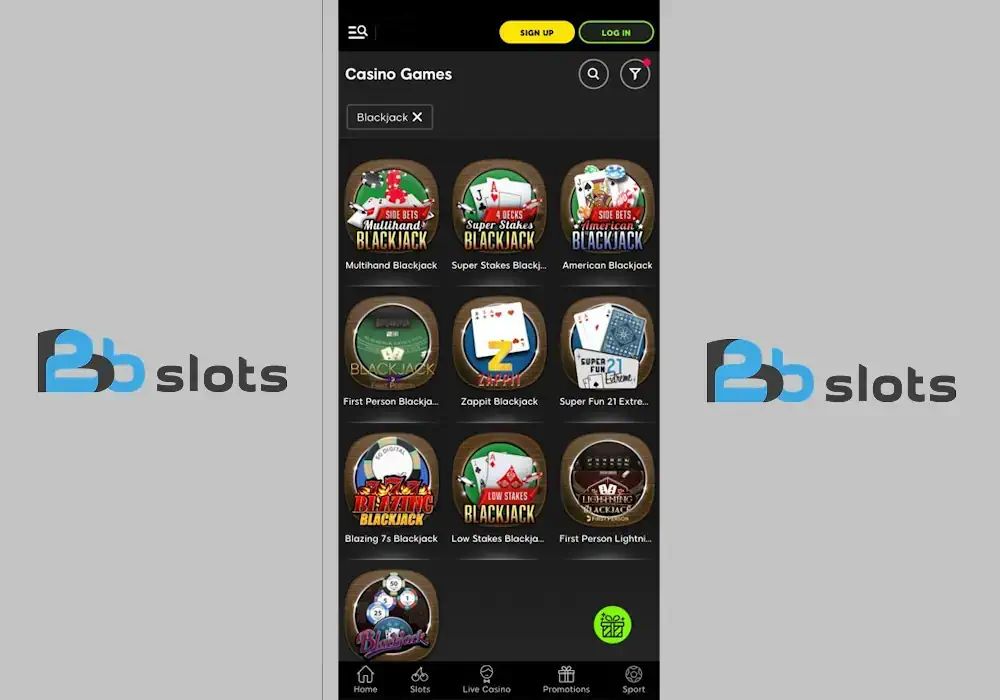
From my launches, approved checklists usually enabled go-live in about 10–14 days. Faster timelines happen when APIs, payments, and game content are already aligned.
I pick turnkey when launch is the priority and plumbing needs to be minimized. White label works best when branding and UX control are non-negotiable.
In my experience, idempotent payouts and strict webhook handling prevent real-world payout issues. Clear docs and safe retries are the difference between smooth ops and constant firefighting.
Aggregation is faster for scaling catalogs, but only if versions are tracked. Direct feeds can be cleaner when you commit to fewer slot content providers.
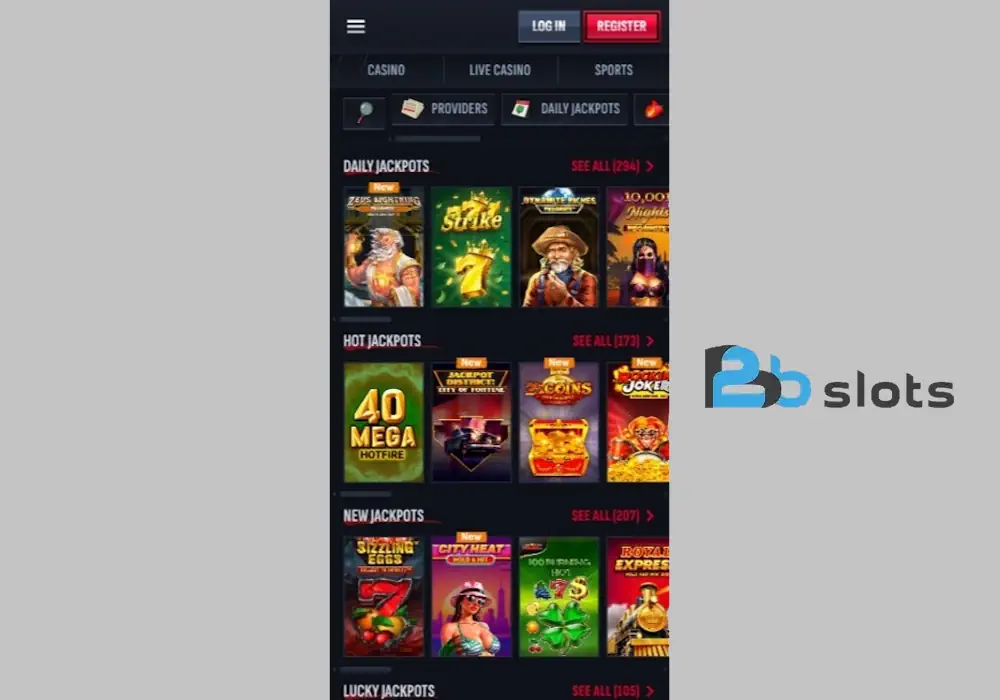
I track partner signups plus geo-level conversion, not just click volume. Clear rev-share tiers helped partners push B2B slots with less negotiation churn.
The biggest risk I saw was mismatched game availability rules and sloppy operational handoffs. Tight versioning and rollout SLAs keep disruptions small.